The Moon does not disappear during a partial lunar eclipse. Between August 27 and 28, 2026, Earth’s shadow will move across almost the entire lunar disk — and sunlight passing through our atmosphere will give the darkened portion a reddish tint.
A perfectly aligned cosmic meeting
A lunar eclipse occurs when the Sun, Earth and Moon are nearly aligned in that order. Earth moves between the Sun and the Moon, casting a shadow into space. When the Moon crosses that shadow, part of the direct sunlight is blocked.
The August 27–28, 2026 eclipse is partial but especially deep: about 96% of the lunar disk may enter the umbra, the darkest part of the shadow. A small strip remains illuminated, so this is not a total eclipse.
Penumbra and umbra: two parts of the shadow
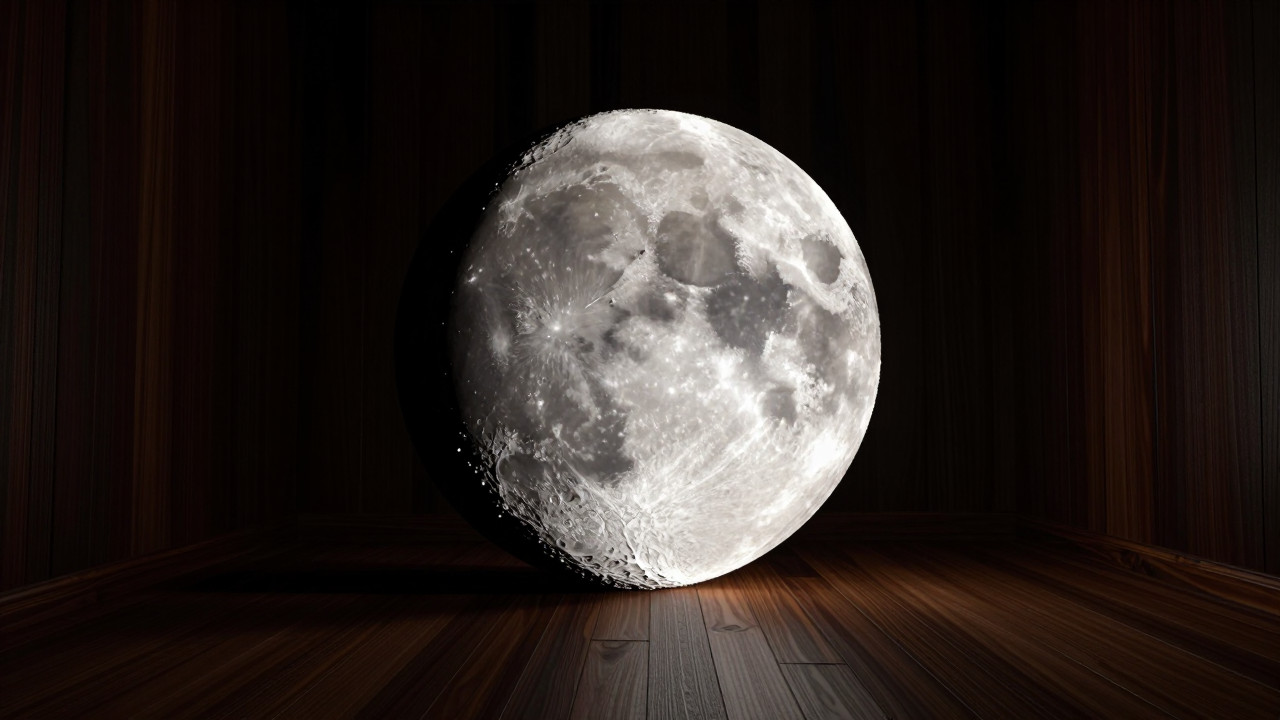
Earth’s shadow has two main regions. In the penumbra, only part of the Sun’s light is blocked, so the change can be subtle. In the umbra, Earth directly blocks the sunlight. When part of the Moon enters this region, the visible partial eclipse begins.
The shadow does not cover the Moon all at once. It travels slowly across the disk, revealing the geometry of the alignment between the three bodies. It may look like a cosmic bite, but it is simply the shadow cast by a planet.
Why does the Moon turn red?
Sunlight does not vanish completely when Earth gets in the way. Some of it passes through Earth’s atmosphere before reaching the Moon. Air molecules scatter blue and violet light more easily, while red and orange light travels through the atmosphere more effectively.
The result is similar to the mechanism that colors many sunrises and sunsets. The atmosphere acts like a giant lens, filtering the light and directing a reddish portion toward the eclipsed Moon.
A color that is never exactly the same
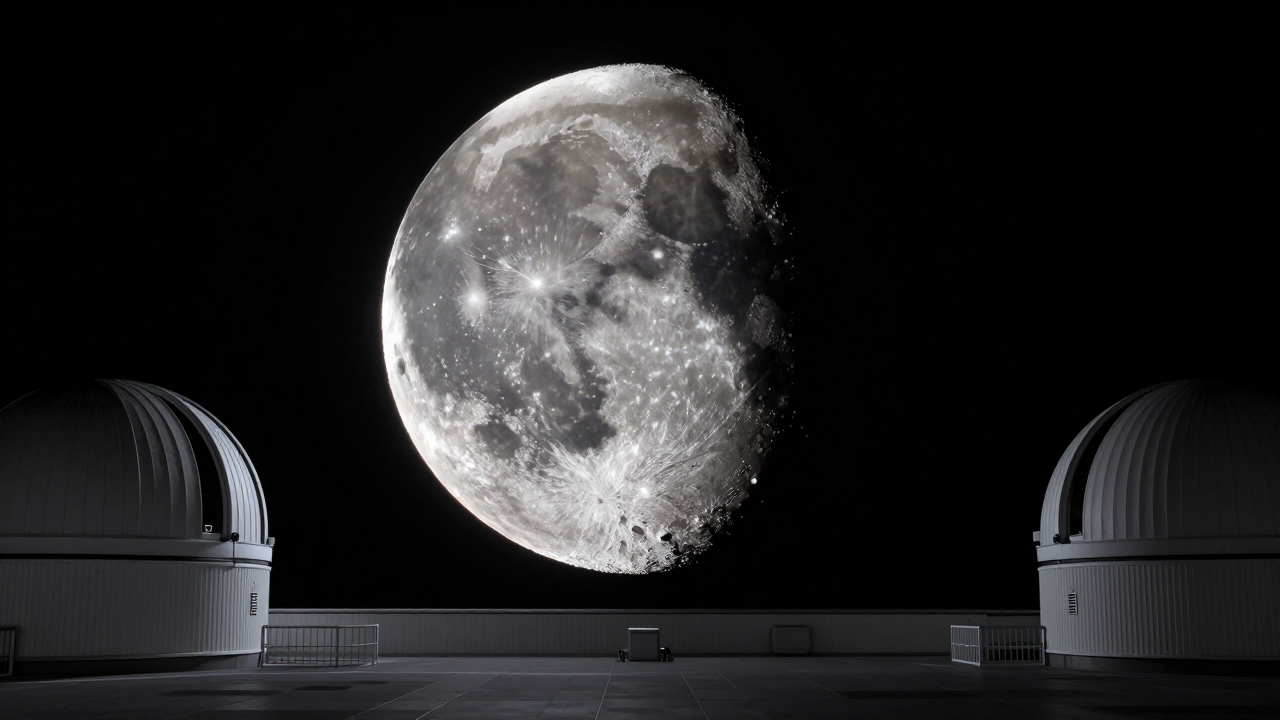
Not every lunar eclipse has the same color. A cleaner atmosphere may produce a copper or orange Moon. Dust, smoke and other particles can make the event darker and redder.
That is why the phrase “blood Moon” does not describe a fixed color, and it does not mean the Moon is emitting red light. It is still reflecting sunlight; it is simply receiving a particular selection of colors that managed to bend around Earth.
What to expect when observing
The penumbral phase begins before the dramatic part, and this first change may go unnoticed. The easiest phase to see begins when the umbra touches the Moon. Maximum eclipse occurs in the early hours of August 28. In some parts of the Americas, that still falls on the night of August 27, depending on local time.
Visibility varies with location, the Moon’s height in the sky and clouds. No special equipment is needed: binoculars or a small telescope may show the shadow’s edge more clearly, but viewing a lunar eclipse with the naked eye is safe.
A clue about Earth’s shape
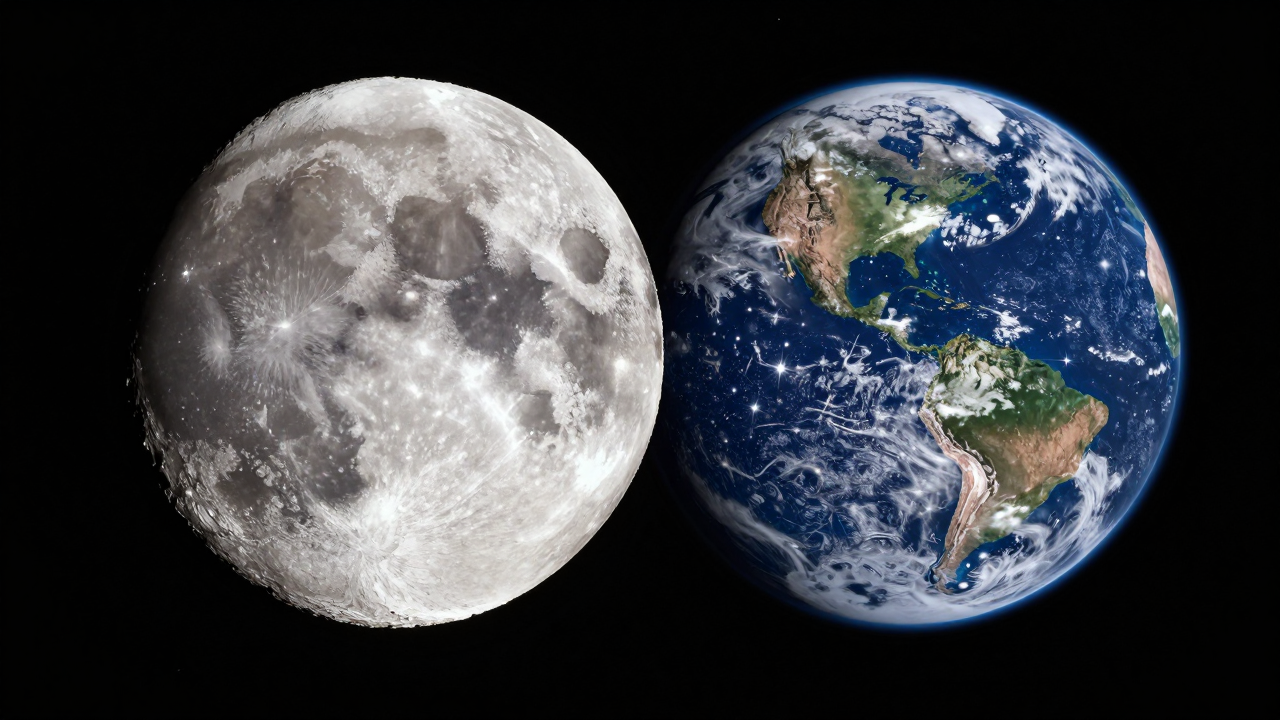
The shadow projected onto the Moon also provides a visual clue about the shape of our planet. Its curved edge appears during the eclipse, tracing Earth’s outline. Centuries before space photography, lunar eclipses helped observers conclude that Earth is round.
Frequently asked questions
Will the Moon disappear?
No. A small portion will remain illuminated while the rest lies inside Earth’s shadow.
Is it safe to watch?
Yes. Unlike a solar eclipse, a lunar eclipse can be viewed directly with the naked eye.
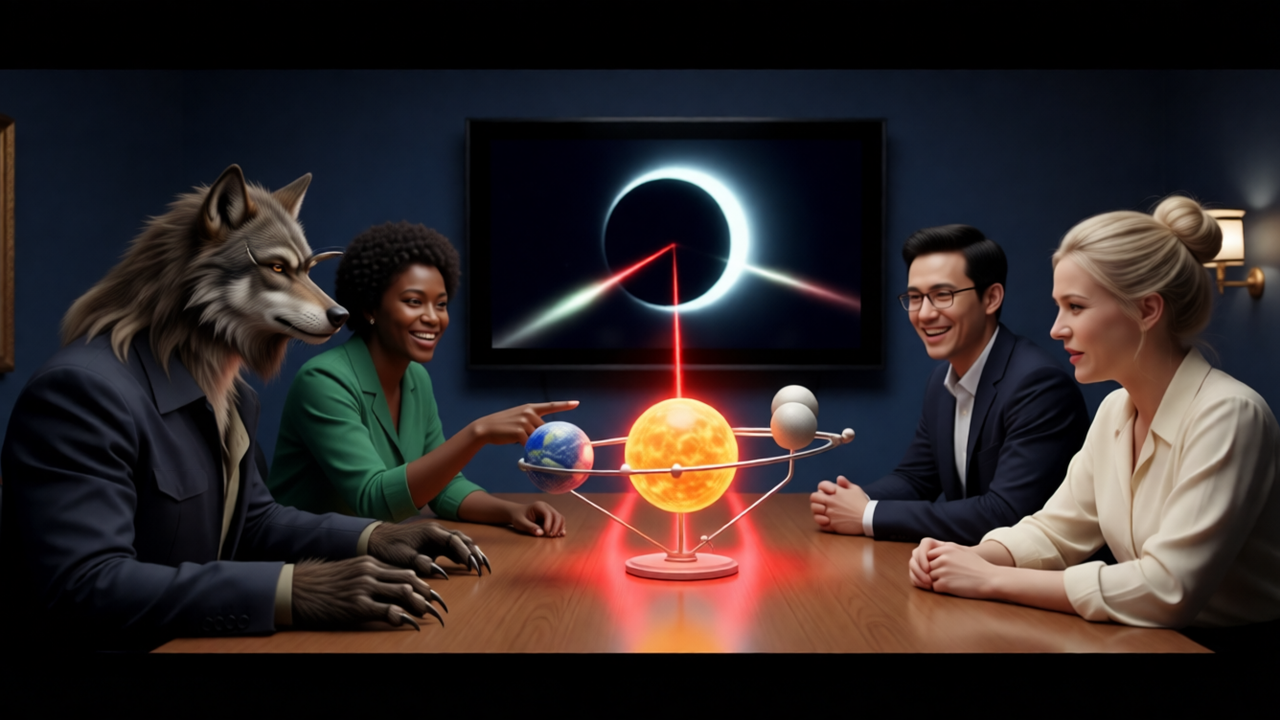
Does the red color have anything to do with werewolves?
No. The color comes from sunlight filtered through Earth’s atmosphere. The supernatural transformation belongs only to imagination — and to the meeting agenda.