The Nancy Grace Roman Space Telescope was built to look at the universe in wide angle. With a primary mirror the same size as Hubble’s, it could capture at least one hundred times more sky in each image — turning the search for planets and cosmic mysteries into a vast-scale investigation.
The telescope that trades zoom for a panorama
Imagine pointing a camera at the sky and, instead of framing a small patch, capturing an entire panorama. That is the central idea behind NASA’s Nancy Grace Roman Space Telescope, an observatory designed to work mainly with infrared light.
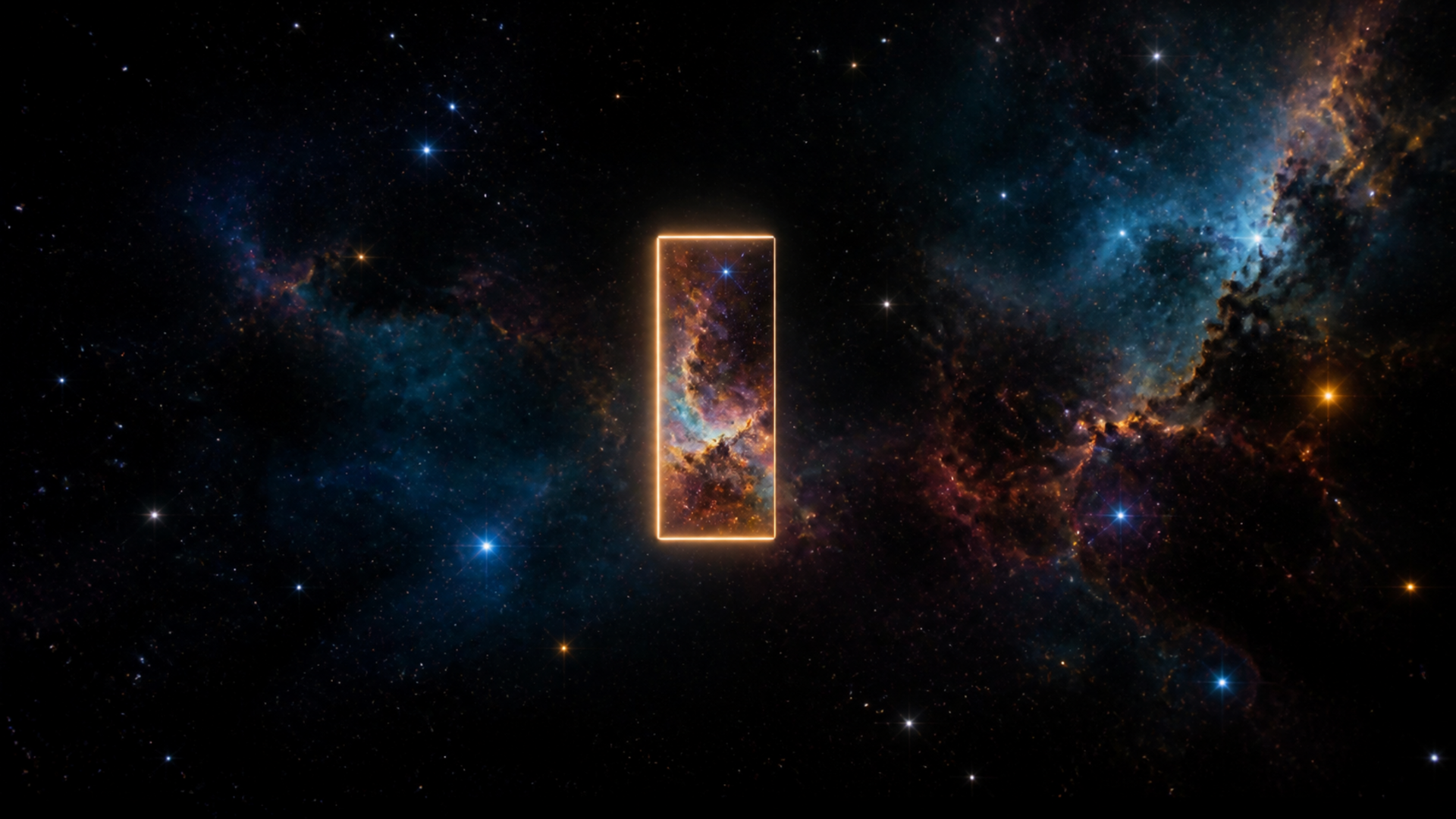
The surprising detail is that its primary mirror is 2.4 meters across — almost the same size as Hubble’s. The difference is the instrument and its field of view: Roman’s wide-field camera covers an area at least one hundred times larger in a single exposure. It is not “one hundred times more powerful”; it is more like replacing a window with a giant panoramic panel.
Why does seeing so much sky change the investigation?
Hubble is famous for deep, detailed images, but many of its observations cover relatively small fields. Roman will map large regions with similar sharpness, repeatedly imaging them to create a kind of movie of the sky: variable stars, stellar explosions, and galaxies changing brightness can be found on a statistical scale.
Over its mission, the Wide Field Instrument could measure light from billions of galaxies. That volume matters because some cosmic effects are subtle: the more objects included in the survey, the easier it becomes to separate a real clue from a coincidence.
An exoplanet search based on alignments
One of Roman’s strategies will be to observe the crowded center of the Milky Way. When one star passes almost in front of another, the nearer star’s gravity can bend and magnify the farther star’s light. If a planet orbits the first star, it may leave a small signature in that magnification. This phenomenon is called gravitational microlensing.
This technique is different from directly photographing a planet. It can reveal distant worlds, including planets that are difficult to find by other methods. The planet does not need to “show up”; it only needs to alter the light at the right moment.
The trick of hiding a star
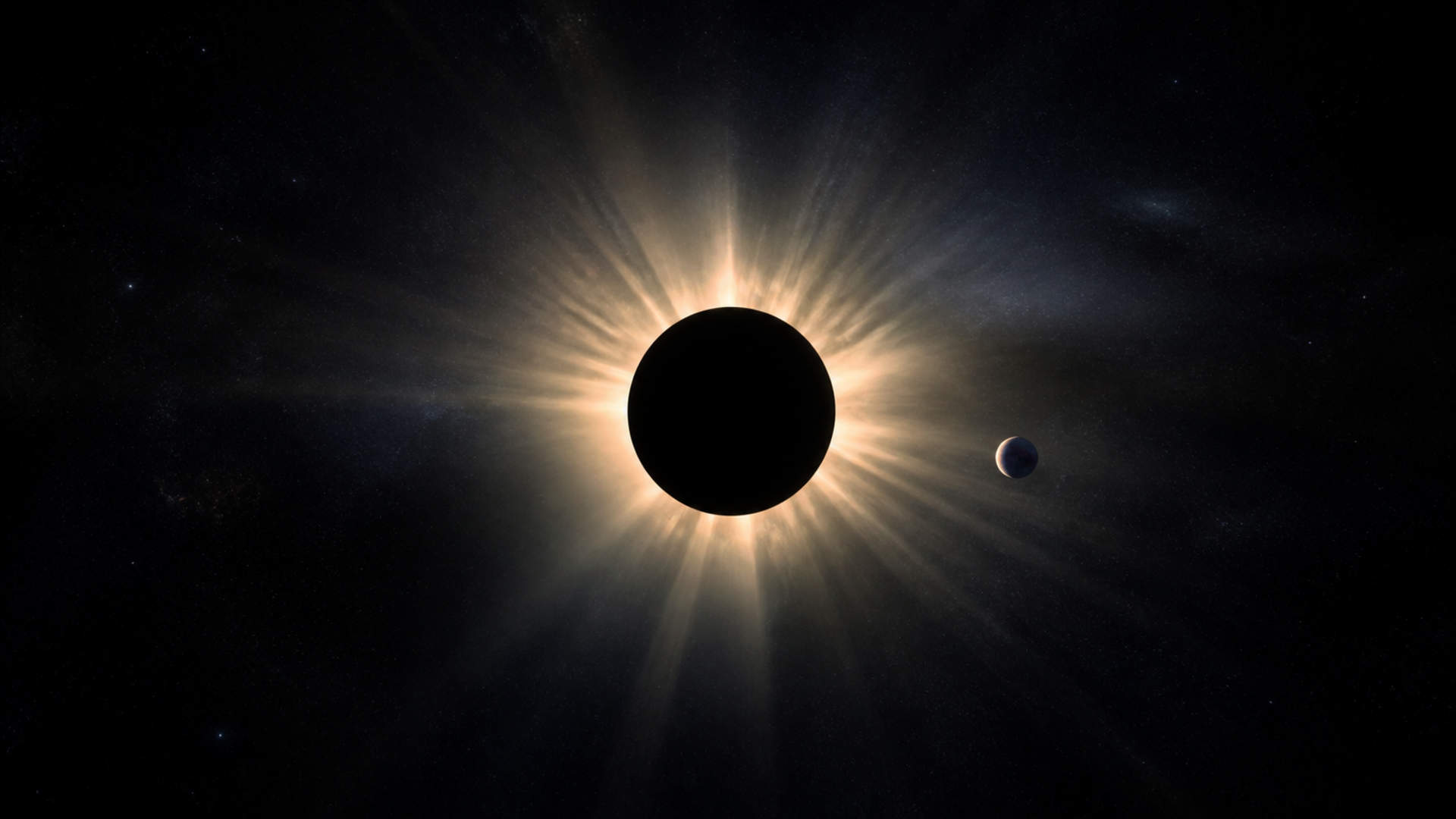
Roman will also carry the Coronagraph Instrument, a technology demonstration. It uses masks and deformable mirrors to suppress the host star’s glare and attempt to directly image the reflected light of giant exoplanets.
It is like trying to see a firefly beside a floodlight — except the floodlight is light-years away. Even if the instrument is not the final answer for finding a second Earth, it can test technologies needed by future observatories.
A gossiping neighbor would have a scale problem
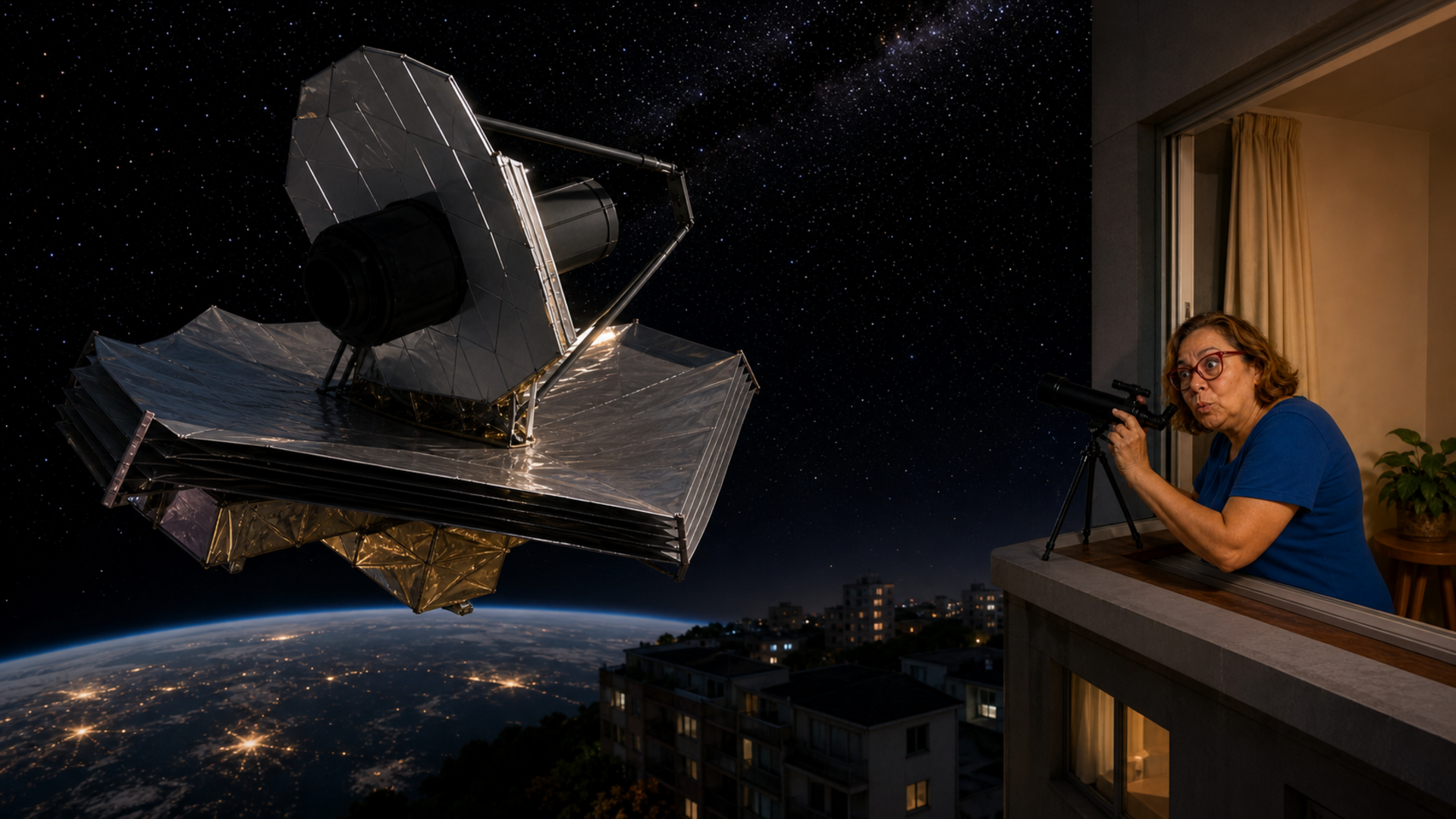
If the neighborhood gossip had a camera with Roman’s field of view, she would not merely spy on the window next door. In one shot, she would frame the whole building, the street, the block, and still complain that the condominium needed higher resolution. The joke captures the concept: the main gain is observing a huge area without repositioning the camera for every small patch.
But Roman was not built to spy on neighbors. Its targets are ancient galactic light, the faint signatures of planets, and clues left by matter we cannot see directly.
Investigating the dark universe

“Dark universe” does not mean a sky without stars. It points to two major mysteries: dark matter, which does not emit or reflect light like ordinary matter, and dark energy, the name given to the phenomenon associated with the universe’s accelerated expansion.
Roman will help investigate these questions by measuring the shapes, distances, and distribution of galaxies across large areas. Comparing how these structures are arranged at different cosmic times lets scientists test models of the universe’s evolution.
The launch is over — now the scientific waiting begins
Roman launched on August 30, 2026, and is heading toward a region near the second Sun-Earth Lagrange point, about 1.5 million kilometers away. Next come system checks, instrument calibration, and survey preparation.
The first images will not simply be postcards. They will test focus, stability, sensitivity, and operation. The real spectacle comes afterward: a panorama wide enough to turn the sky into a continuous field of investigation.
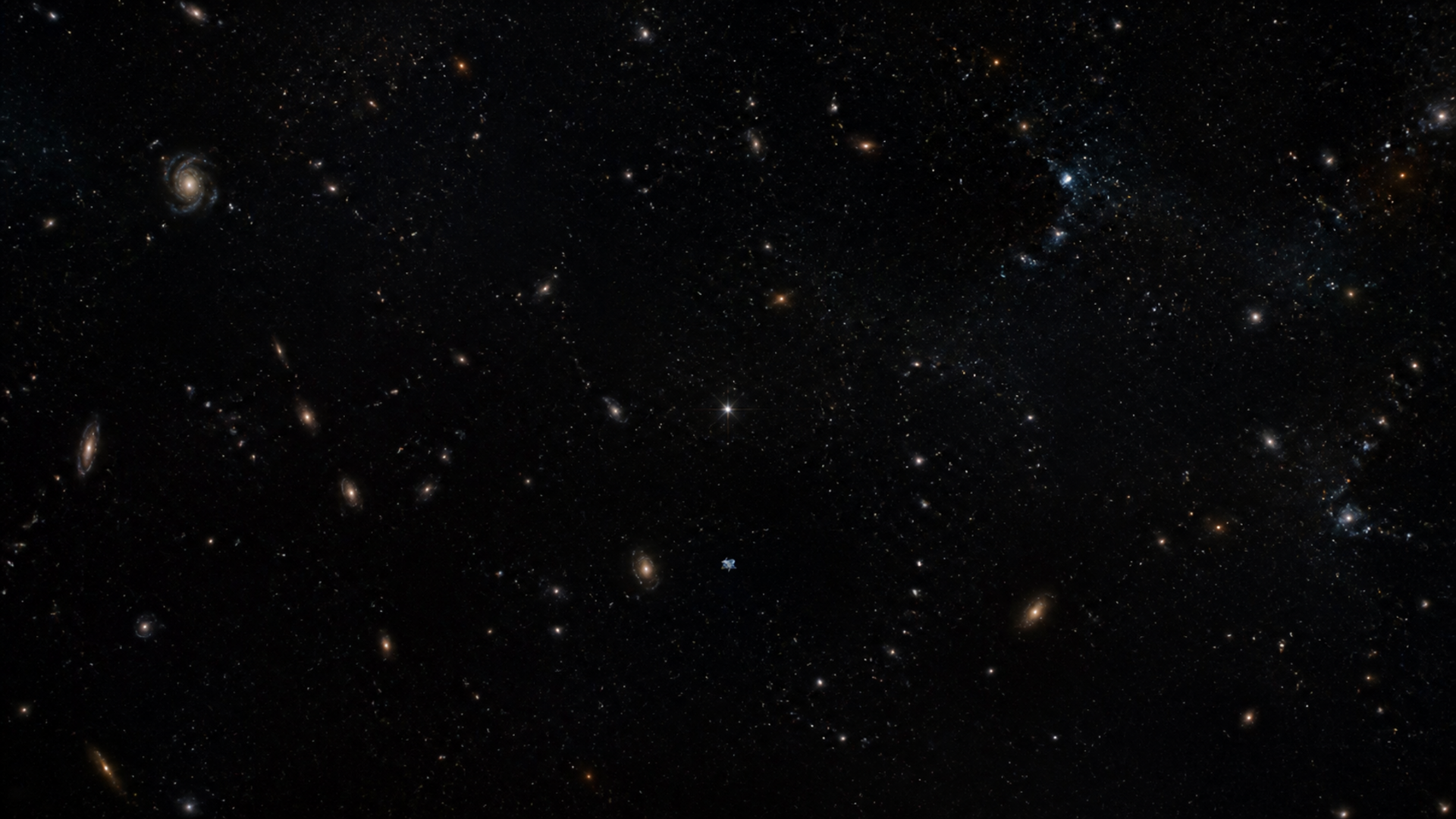
What could Roman change?
Hubble will remain indispensable, as will Webb and other observatories. Roman does not replace them: it finds patterns and targets in wide panoramas, while other instruments can return to individual objects and study them in detail.
In the end, the question is not only “what is out there?” It is also “how many discoveries become possible when we observe a much larger area at once?” Roman was built to ask the universe exactly that — on the scale of billions of galaxies.
Frequently asked questions
Is Roman one hundred times more powerful than Hubble?
Not exactly. The comparison mainly refers to field of view: Roman could capture an area of sky at least one hundred times larger in one image, while using a primary mirror similar in size to Hubble’s.
Will Roman photograph Earth-like exoplanets?
Its coronagraph is a technology demonstration aimed mainly at giant exoplanets close to their stars. The mission will also find many planets through gravitational microlensing, but that does not mean all of them will be directly photographed.
What is dark matter?
It is the name for a component we cannot see directly, but whose gravity affects stars, galaxies, and the structure of the universe. Its nature remains unknown.