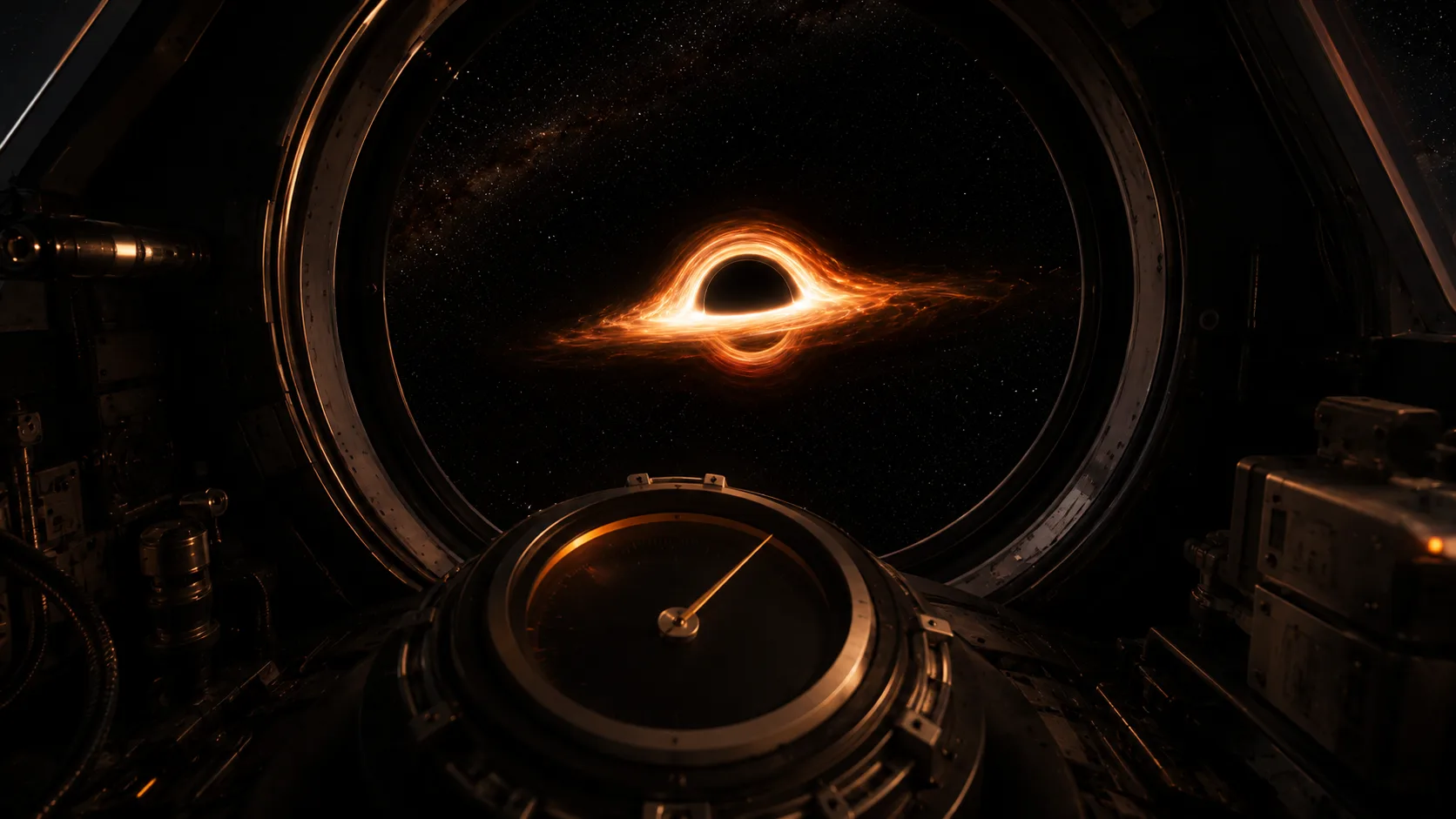
Venus looks close to Earth, but its surface is one of the most hostile environments in the Solar System. If a person reached the ground without extraordinary protection, the question would not simply be how long they could breathe. It would be how long heat, pressure, and chemistry would allow the mission to continue.
The first problem is the heat
The surface of Venus is around 465 degrees Celsius, hot enough to melt lead. The strangest part is that this heat is found across almost the entire planet, on both the day side and the night side.
The reason is a thick atmosphere dominated by carbon dioxide. It lets sunlight in but makes it difficult for heat to escape. The result is an extreme greenhouse effect: Venus is hotter than Mercury even though it is farther from the Sun.

The pressure turns a spacecraft into a crushed can
At ground level, the atmospheric pressure on Venus is about 92 times that of Earth. A simple comparison is useful: it is similar to being almost a kilometer below the surface of Earth's ocean.
This pressure does not act like a giant hand squeezing a person instantly, but it loads every hatch, seal, and panel with an enormous force. A structure designed for Earth would have little chance of remaining intact.
Breathing would not be an option
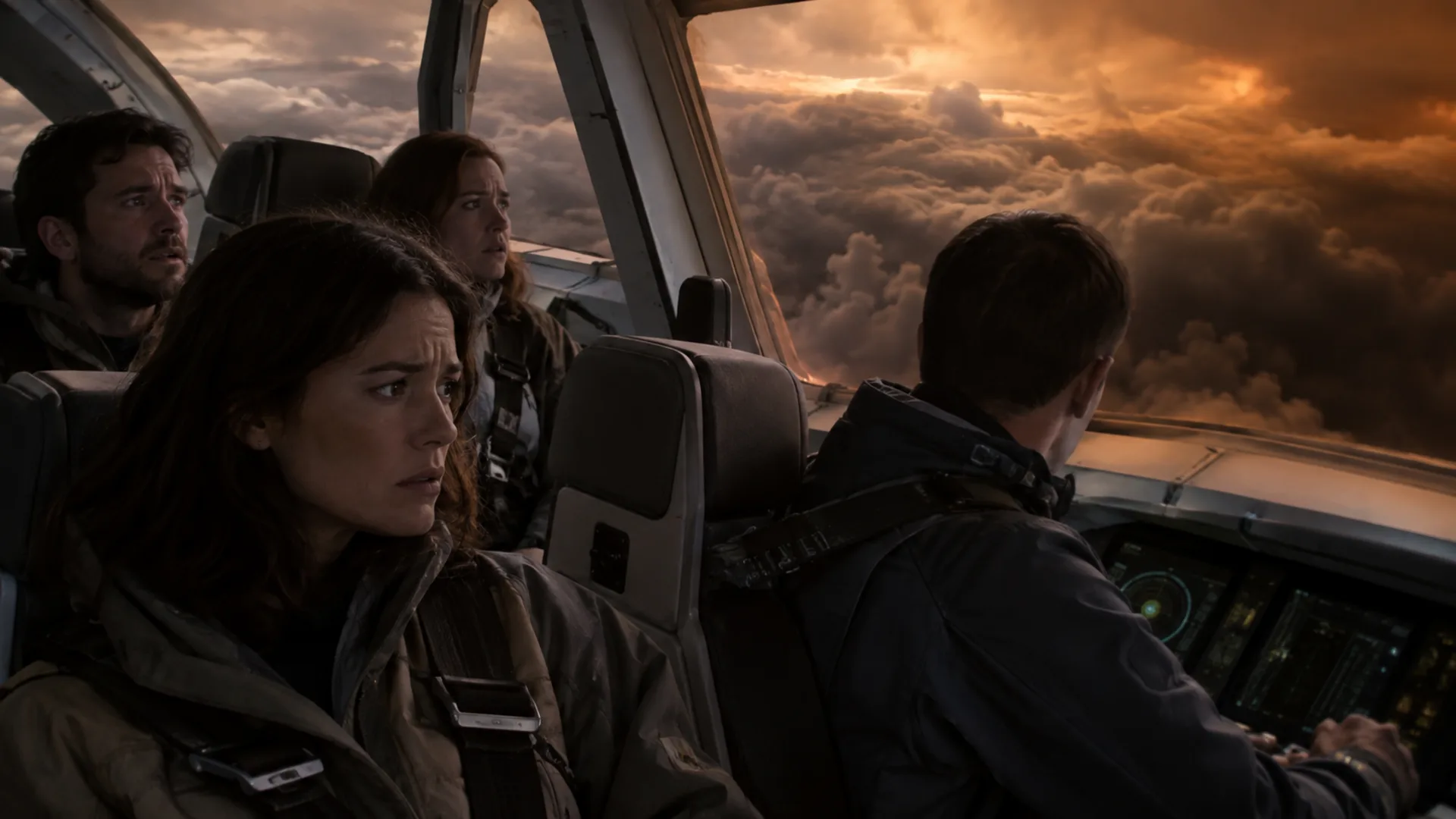
The Venusian atmosphere is mostly carbon dioxide, with clouds of sulfuric acid. There is no breathable oxygen between the clouds, and the air would be toxic long before heat became the largest problem.
The acidic clouds are also dangerous to equipment. Higher in the atmosphere, a probe must resist corrosion; near the ground, heat and pressure dominate. Venus offers different problems at different altitudes, as if the planet had several difficulty levels.
So how long could someone survive?
For a person directly exposed to the environment, the practical answer is: almost no useful time. Without a suit and a pressurized capsule, the lack of oxygen and toxic atmosphere would prevent survival, while heat and pressure would rapidly cause severe damage.
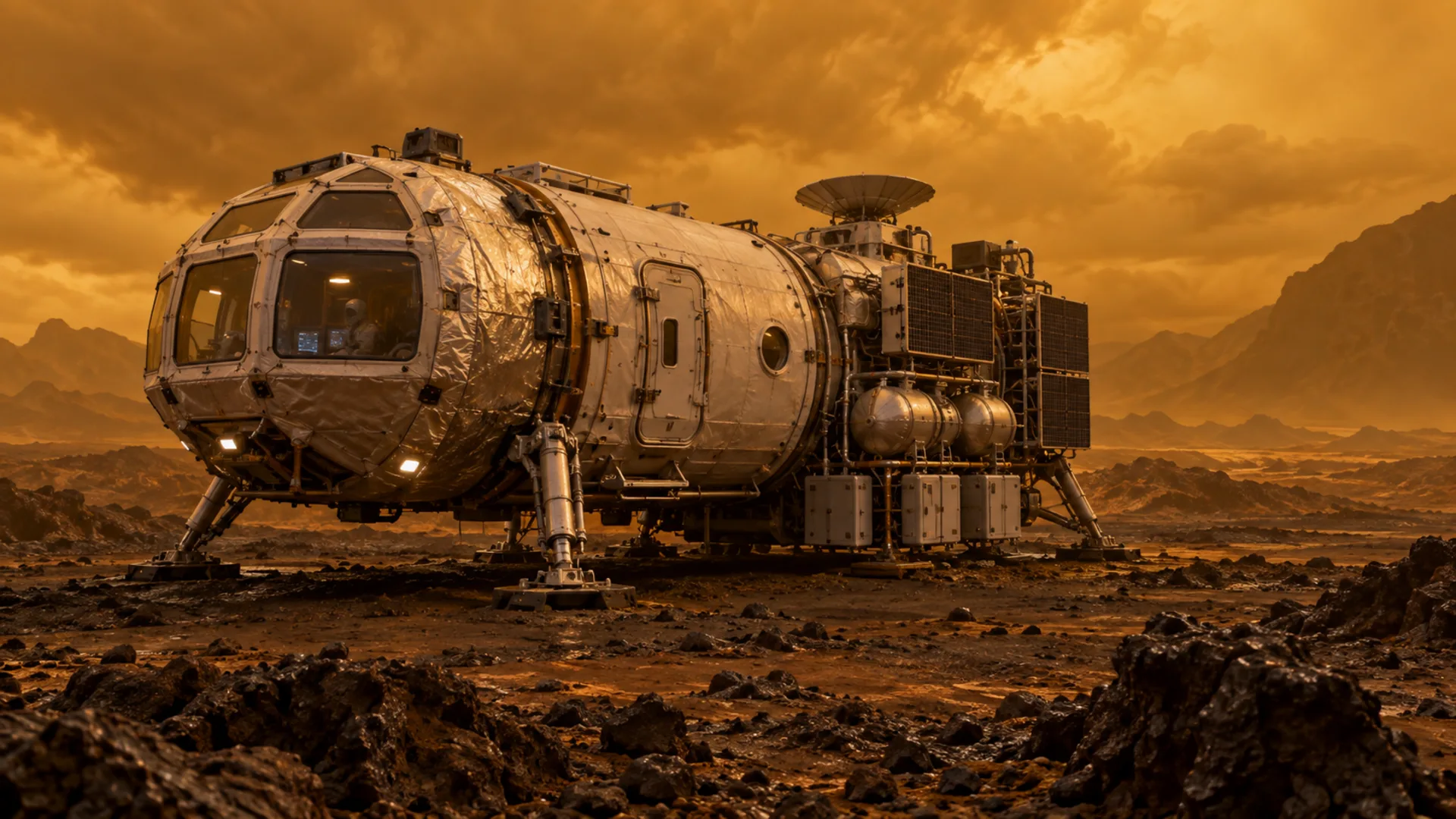
Even a specialized spacecraft would not remain operational for long. The Soviet Venera missions landed and transmitted data from the surface, but their landers worked for minutes or, depending on the model, a little more than an hour. That is survival by a machine built for hell, not a human taking a walk.
The most promising place is above the clouds
Venus has an ironic feature: the ground is brutal, but an atmospheric layer roughly 50 to 60 kilometers above the surface has temperature and pressure closer to conditions on Earth.
That does not make the planet comfortable. Sulfuric acid, strong winds, and an atmosphere without oxygen would still be present. Floating balloons or platforms are engineering and exploration proposals, not a finished city waiting for visitors.
What is fact and what is imagination?
It is a fact that Venus has extreme heat, enormous pressure, carbon dioxide, and sulfuric acid clouds. It is also a fact that robotic probes have landed there. A human excursion, a tourist space bus, or a floating colony remain imagined and studied scenarios, not recorded events.
That is why the answer depends on the scenario. On the surface, a person would not have a survival window comparable to an ordinary journey. Inside a heavily protected capsule, a mission might last long enough to collect data, but the robots themselves show that every minute requires specialized technology.
Conclusion
If you descended onto Venus without extraordinary protection, the planet would win on three fronts: heat would cook the mission, pressure would crush the structure, and the atmosphere would make breathing impossible. Human survival would be measured in moments, while a machine's survival would depend on how long its systems could resist.
Venus is not merely hot. It is a planet that turns every second into an engineering test.