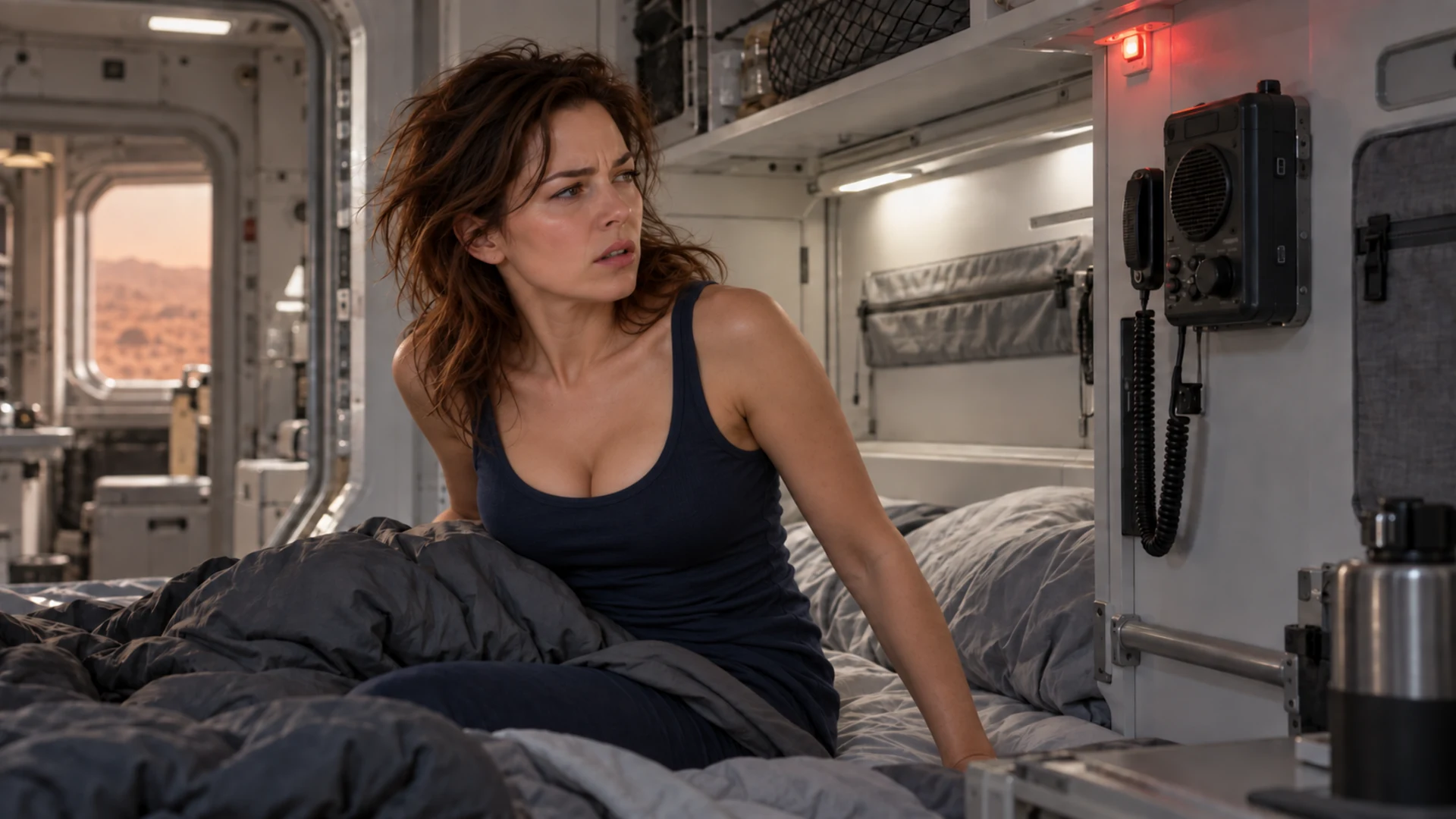
You wake inside a Mars habitat. The radio only hisses, and dust has dimmed the sky. The air is still breathable and the water tank is still full. So why could the battery be the first thing you need to save?
An alarm, a storm, and no crewmate
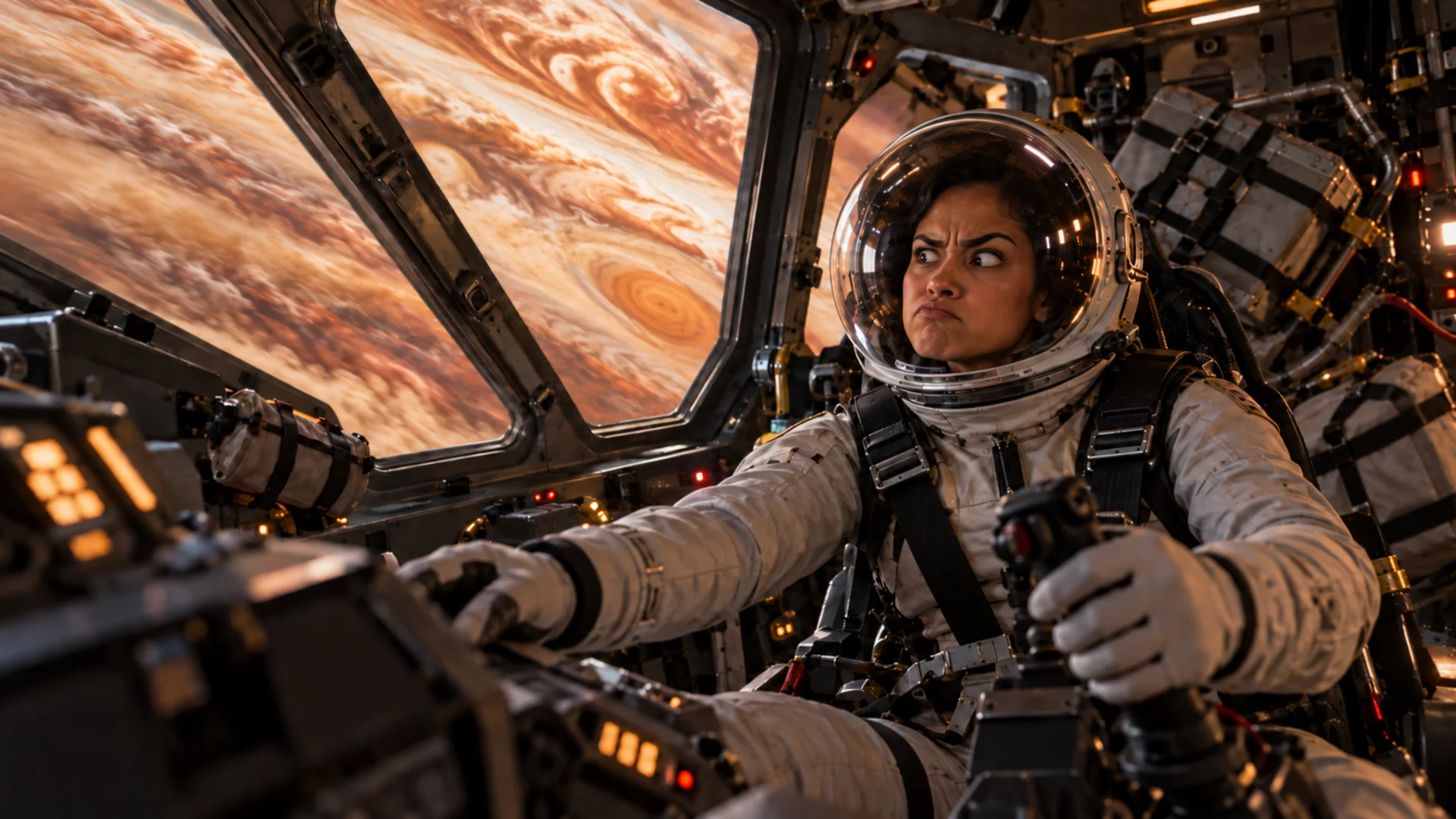
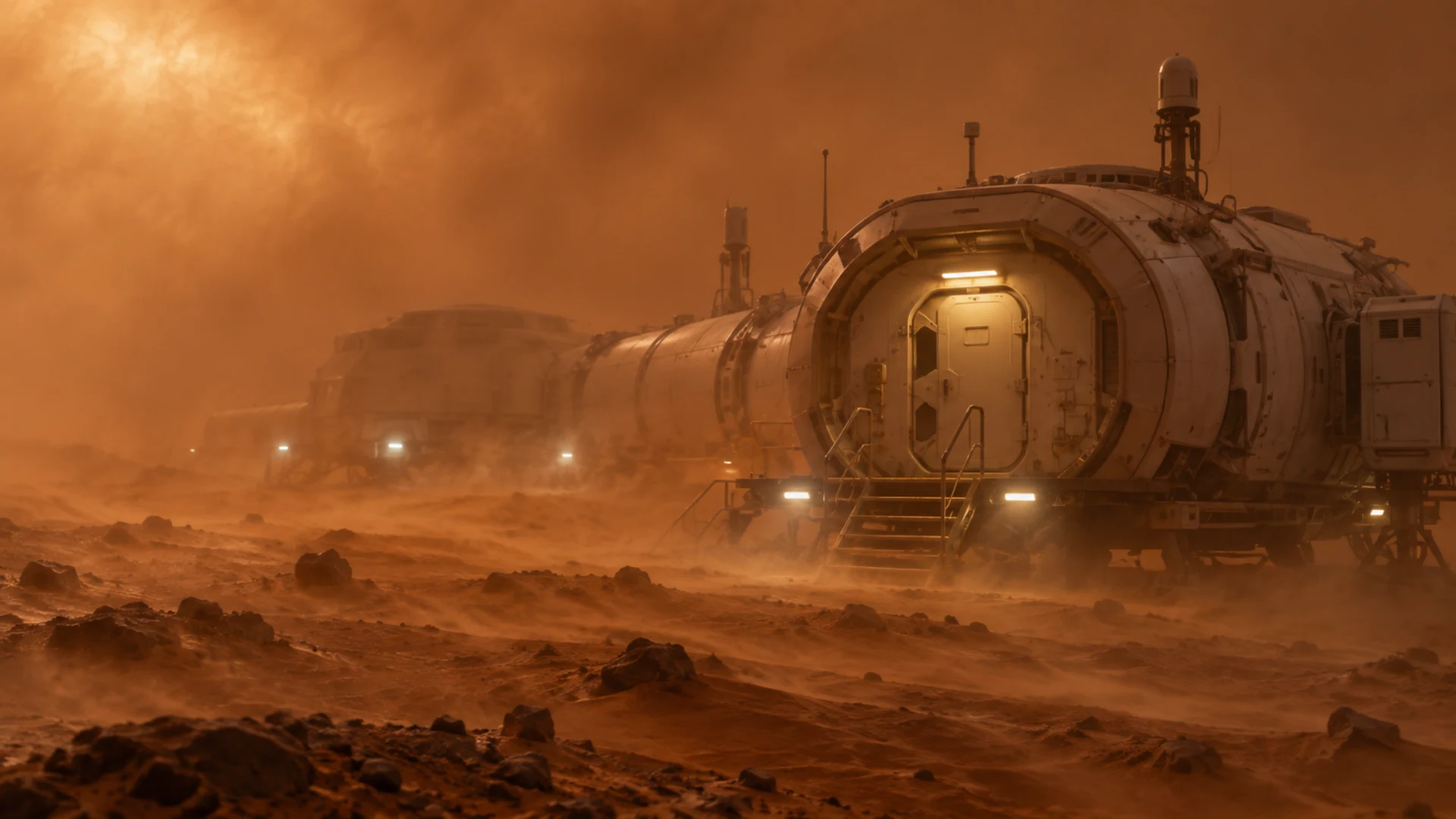
Imagine a test habitat powered by solar panels and batteries. A storm cuts the sunlight reaching the panels, the charge starts dropping, and the radio cannot confirm that anyone received your distress call. This is a hypothetical setup: no human has lived on Mars, and there is no crewed base there today.
The power threat has a real parallel. During Martian dust storms, solar-powered spacecraft have reduced operations to protect their batteries. In 2022, NASA reported that the InSight lander entered safe mode after dust reduced the sunlight available to its panels. A human habitat would have different equipment, but the central question would be similar: how long can the remaining power keep essential systems running?
Breathing takes more than an oxygen tank
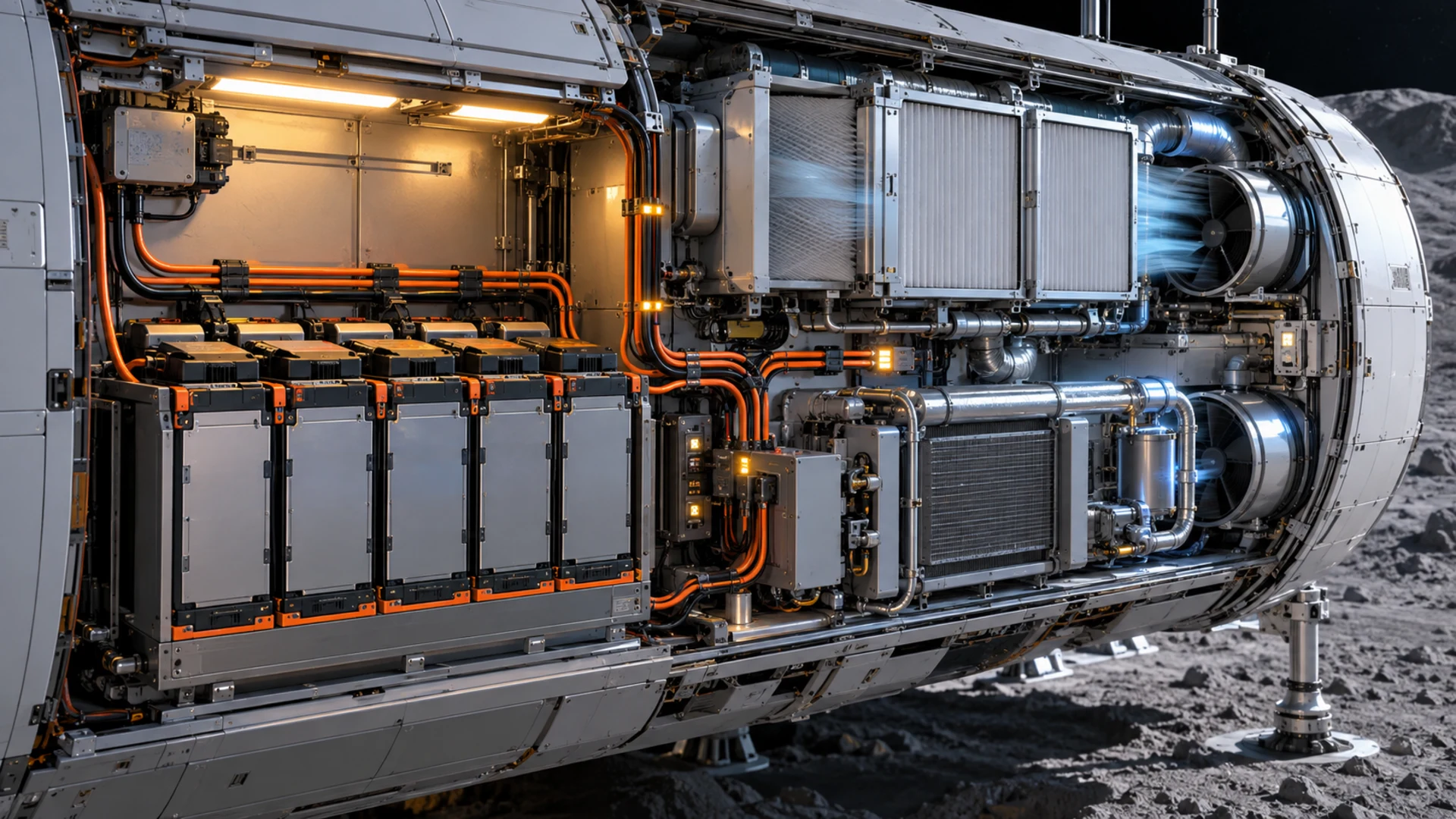
If you must choose between air, water, and power, saving the air sounds obvious. But stored oxygen does not solve everything. A habitat also has to maintain pressure, circulate air, remove carbon dioxide, and control temperature and humidity. On the International Space Station, life-support systems handle these tasks and recover some of the water used by the crew.
That does not mean a future Mars base will be a copy of the station. It means vital resources depend on equipment that has to keep working. Without power, fans, filters, heaters, and other systems may stop. The question is no longer just how much oxygen remains in a tank; it is how long the cabin can stay habitable.
Water loses the race, but it is still dangerous
Without resupply, water can become a serious threat too. How quickly depends on stored supply, physical effort, temperature, and recycling efficiency. In this scenario, however, there is no leak and emergency reserves remain intact. Thirst tends to worsen over time; a pressure or air-circulation failure could demand action sooner.
Switching off the air systems to save battery power would be a terrible trade. Heating matters in a cold cabin as well. Power is not isolated from the other needs: it runs parts of the infrastructure that keep air, water, and temperature within livable limits.
Radio silence does not tell the whole story
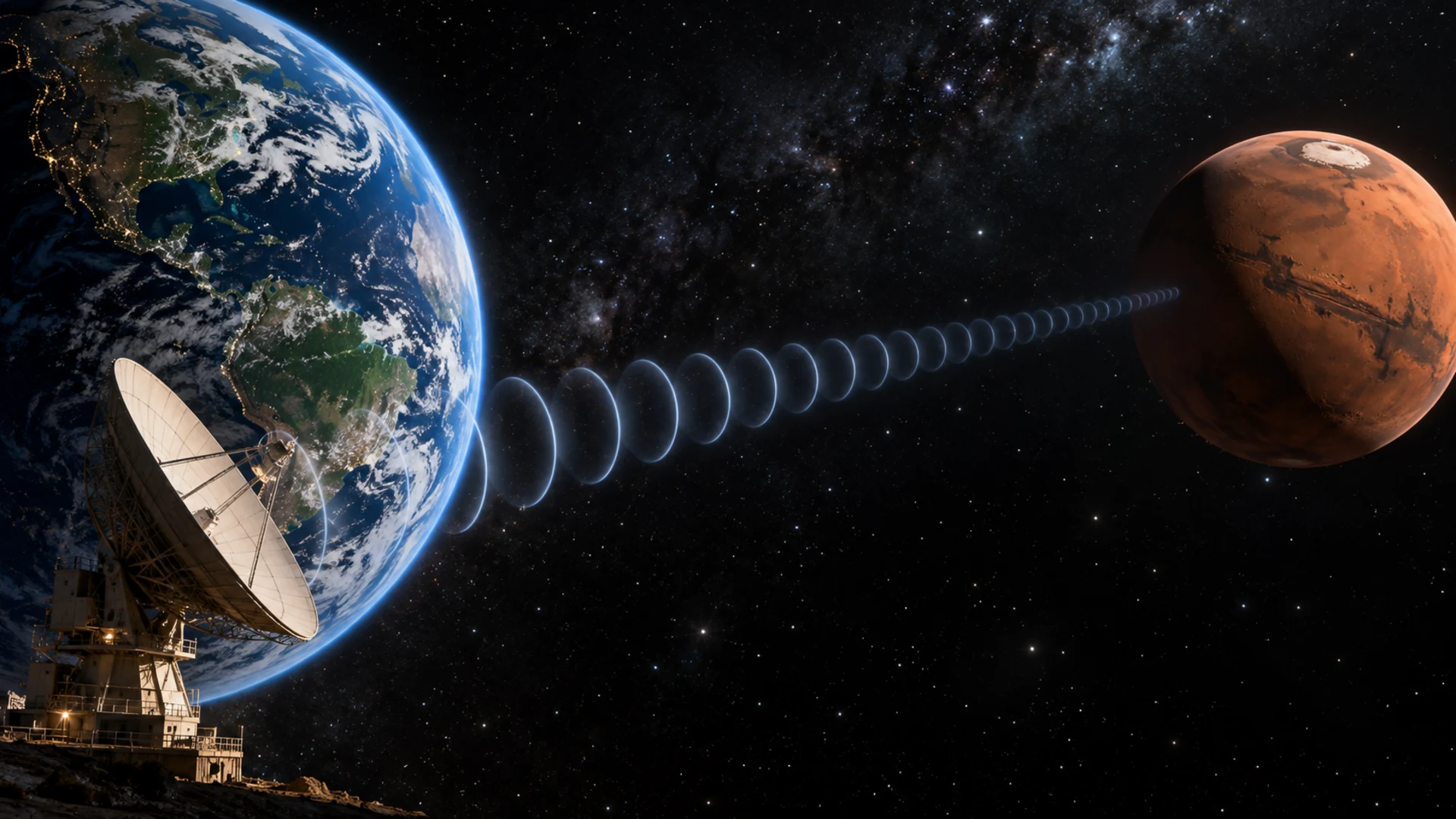
Even with a perfect antenna, a conversation with Earth would not be instant. Depending on the planets’ positions, a signal can take about four to twenty-four minutes to reach Mars; a reply takes just as long. A few minutes without an answer do not prove that nobody received your message.
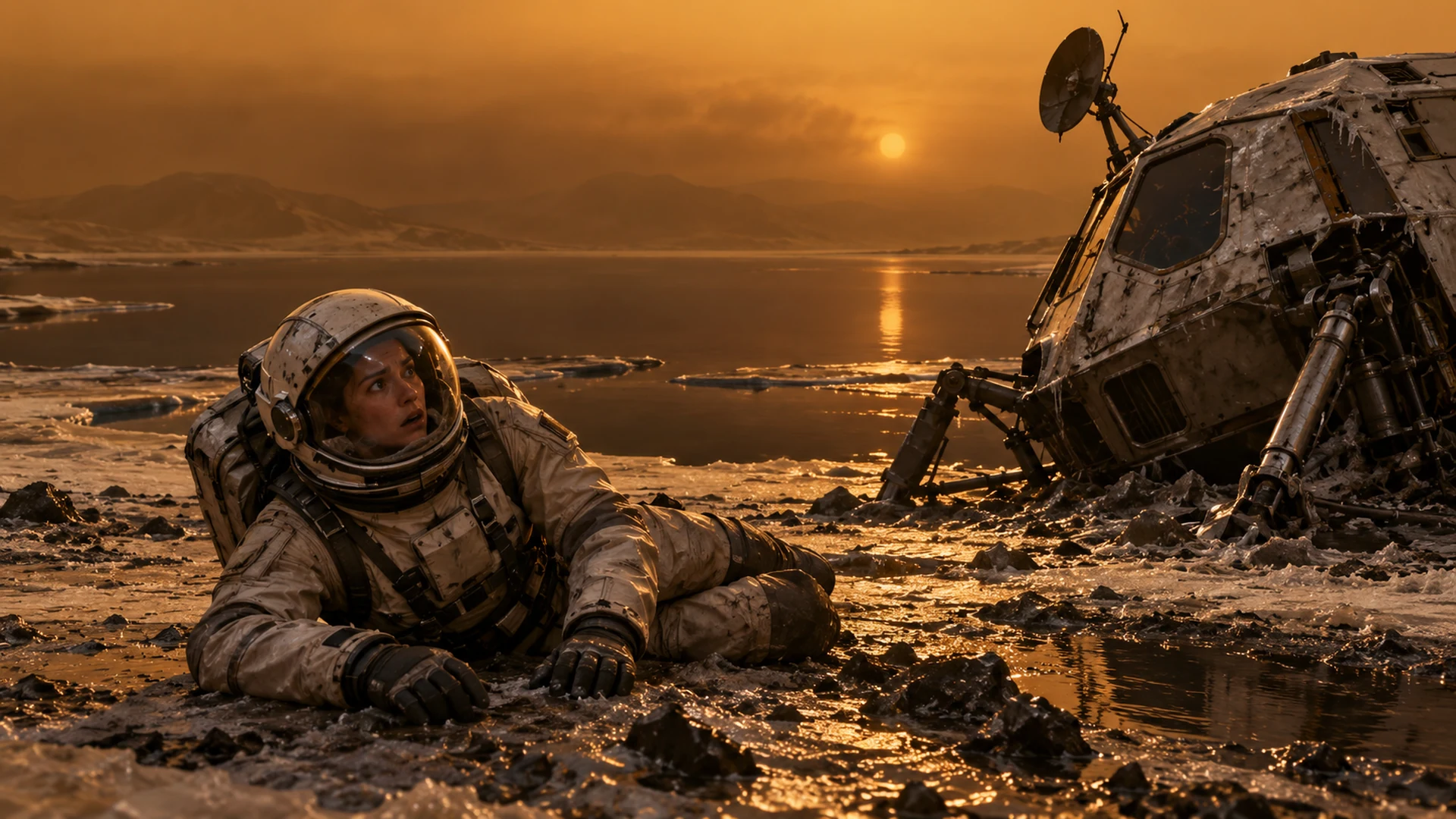
But communication delay cannot fix a damaged antenna or a failure inside the habitat. While trying to reconnect, you have to conserve power and check essential systems. Going outside to work on the panels during the storm is no casual walk: Mars’s surface requires a pressurized spacesuit and life support.
So, what could kill you first?
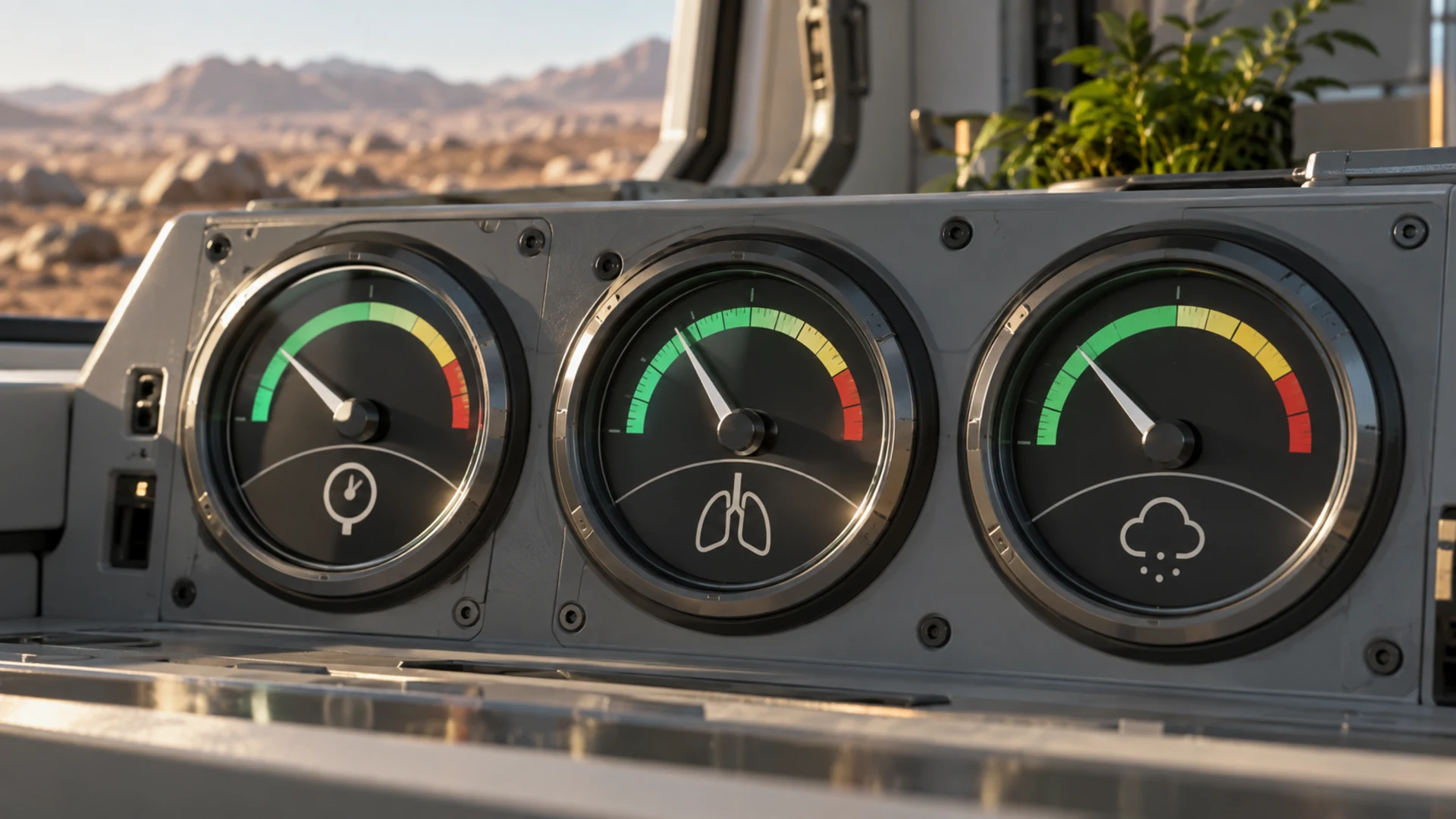
In this specific situation, power is the first domino. Dust reduces solar generation, the battery drains, and essential equipment could lose electricity. Air can become the immediate danger if ventilation, carbon-dioxide removal, pressure control, or heating fails. Water remains essential, but with the reserves intact and no leak, it is not the first threat in this sequence.
This is not a universal rule. A cabin breach, fire, contaminated air, or spacesuit accident could be fatal long before the battery runs out. A habitat with another power source would have a different risk profile. In its 2024 human-exploration architecture, NASA selected nuclear fission as the planned primary surface power source for Mars because it does not depend on sunlight or dust storms.
The honest answer is: it depends on what fails first. In this story’s solar-powered scenario, power is the first threat because it can shut down the systems that keep everything else habitable. You are not choosing among three separate boxes; you are trying to keep alive the network that keeps you alive.
Frequently asked questions
Is there a human base on Mars?
No. The base in this story is imaginary. Current Mars missions are robotic; human-habitat technologies are still being planned and developed.
Would a dust storm immediately shut off every solar panel?
Not necessarily. Dust can reduce sunlight and power generation, but the effect depends on the storm, dust buildup, and system design. This story imagines a base that must conserve its battery.
Could air or water become the more urgent danger?
Yes. A leak, contamination, pressure loss, life-support failure, or lack of water would change the answer. The energy conclusion applies only to the conditions described here.